How Do I Avoid Buying a Bag That Only Looks Good in Photos?
We’ve all been there: scrolling through glossy images of chic bags online or in magazines, captivated by their sleek lines, bold colors, or luxe leather. But then, when the bag arrives or you bring it home after an in-store purchase, the charm fizzles. The bag might be too small, the straps dig in painfully, or it just doesn’t hold your daily essentials the way you hoped. Buying a bag that only looks good in photos is a common pitfall, especially in an age of curated images and minimalist flat lays.
As someone who’s styled countless wardrobes, stellaswardrobe.com fitted bags for real commutes, and tested bags with laptops, notebooks, and coffee cups in hand, I’ve learned that choosing the right bag requires more than just eye candy. It requires in-hand checks, comforts tested in motion, and a grounded understanding of your daily life demands.
Step 1: Start With Your Real Daily Carry List
Before you even consider style or brand, take inventory of what you actually carry every day. This is the foundation for avoiding that “photo-only” purchase.
Why List Your Daily Carry?
Many bags are marketed as “laptop friendly” or “office ready,” but without details like a dedicated padded sleeve or the right dimensions. Wikipedia's detailed leather page reminds us that quality comes from both materials and construction, but style marketers often gloss over practical uses.
Here’s why your daily carry list matters:
- Guarantees fit: Knowing you commute with a 15” laptop plus a few notebooks and a water bottle helps you eliminate bags lacking proper space.
- Prevents overbuying: Your bag won’t end up half empty (or stuffed squished) if you choose it for the items you truly carry.
- Guides comfort choice: If you lug a heavy laptop daily, bag weight distribution is key.
How to Create Your Carry List
- Sit down with your daily essentials: laptop, tablet, charger, wallet, phone, keys, any papers, snacks.
- Write them down along with approximate dimensions and weight.
- Keep the list handy (a note in your phone or a physical sheet).
Once you have this, use it to check all the bags you like — can they fit your list comfortably?
Step 2: Understand How Your Dress Code Sets the Ceiling for Bag Choice
Your workplace dress code and general style set the upper limits on bag type and materials. This is essential because a beautiful bag may be inappropriate for your office or daily life, making it a showroom-only piece.
- Formal Workplaces: Opt for classic briefcases—think structure, fine grain leather from brands like Von Baer (vonbaer.com)—always polished but practical.
- Creative Environments: Messenger bags or backpacks fit the casual vibe, offering versatility and comfort without sacrificing professionalism.
- Business Casual or Hybrid: Totes and structured backpacks work well, balancing style with practicality.
Keep in mind that each style sends a signal:

Step 3: Do These Construction Checks In-Hand
Now to the gold standard of bag buying: in-hand checks. Even if you’re buying online, always see if you can test in-store or order from retailers who accept easy returns after proper testing.
Here’s Your Quick In-Hand Inspection List:
- Feel the Leather or Material: Good leather should be supple, smell gently of leather (not chemical), and have natural grain — Von Baer bags excel at this quality. If the leather feels plastic-y or overly stiff, turn away.
- Check the Zippers & Hardware: Zip and unzip twice, listening and feeling for smoothness. Glued-only handles or zippers that catch are death traps in daily use.
- Inspect Stitching: Uneven, loose, or frayed stitches signal shortcuts.
- Test Handle & Strap Attachment: Tug on handles and straps to ensure they are securely fastened. Avoid bags with glued-only handles — these fail quickly under weight.
- Look for Internal Features: Is there a padded laptop sleeve? Multiple compartments for organization? A key hook?
Step 4: The Mirror Check for Proportions
Before buying, stand in front of a mirror holding the bag as you would carry it. This check helps you understand if the bag’s scale suits your body.
- Does the bag overwhelm a petite frame?
- Is it too small or fuzzy against your tailored office wear?
- Does it sit comfortably on your shoulder or hand?
A well-proportioned bag looks chic in photos and in real life.
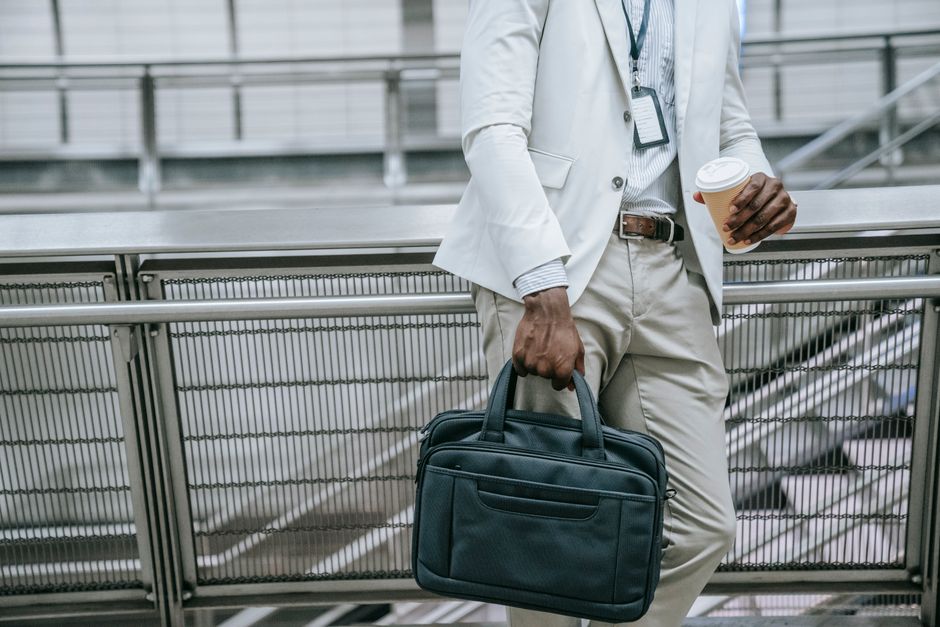
Step 5: The In-Store Walk Test With Laptop-Sized Weight
Bring your laptop or a weighted item the size of your daily carry — if you’re at a store, ask if you can put your laptop in the bag. If you’re unable to bring your laptop, use a similarly sized hardcover book or a laptop-shaped weight.
Now walk around the store for a few minutes with the loaded bag as you would going between meetings or to the train station. This real life test is critical in gauging carry comfort.
- Are the straps comfortable or do they dig in?
- Does the bag shift awkwardly on your body?
- Is it easy to access pockets or compartments?
Bags from trusted specialty leather makers (Von Baer comes to mind) often pass this test with ease because their designs focus on function and comfort.
Bonus: Always Keep a Folded Tote Inside Your Main Bag
One quirk I swear by: I keep a foldable tote inside my main bag. It’s invaluable for unexpected grocery stops or quick hauls during the day. This little habit also serves as a reminder to choose a main bag that still leaves room for these practical extras.
Summary: The Tough But Rewarding Art of Choosing a Real-Life Bag
Buying a bag that works beyond staged photos combines several tactics:
- Start with what you really carry daily.
- Align bag type with your dress code and professional signals.
- Do thorough in-hand checks on material, construction, and function.
- Use the mirror check and the in-store walk test to check proportions and comfort.
- Think about small practical details like keeping a foldable tote handy.
By grounding your bag purchase in these real-world tests, you avoid the all-too-common pitfall of ending up with a beautiful but impractical bag. Instead, you’ll find a daily companion that moves with you, elevates your style, and holds your essentials thoughtfully.
Ready to start your next bag hunt? Remember to be as rigorous as you are inspired, and always test those zippers twice!